 SHOPYTHON
Tell us what you bake.
We’ll tell you what to buy.
Whole production lines for bread, pastry, cake and café — specified, delivered and supported from one place.
 BrevilleAustralia
 BulliMalaysia
 CCFMTaiwan
 EKAItaly
 Falcon KitchenwareMalaysia
 FamagItaly
 FotileChina
 Golden ChefChina
 InnofoodMalaysia
 KitchenAidUSA
 KitmensMalaysia
 KneaderJapan
 MockmillGermany
 MyBakerMalaysia
 OoniScotland
 OrimasMalaysia
 SonerMalaysia
  SPARTaiwan
 SunmixItaly
 The BakerMalaysia
 UNOXItaly
Every stage
of the bake.
Thirteen categories, from the mixer through to the oven and the coffee counter — pick the stage you are buying for, and the range narrows from there.
- Bakeware & Cookware 9 items
- Cake Decorating 1 machine
- Cookies & Pasta Makers 1 machine
- Dough Sheeters 16 machines
- Espresso Machines 10 machines
- Grain Mills 6 machines
- Hot Holding 6 machines
- Ovens 307 machines
- Proofers 19 machines
- Rounders & Dividers 4 machines
- Spiral Mixers 88 machines
- Stand & Planetary 39 machines
- Twin Arm Mixers 2 machines
Worth your
attention.
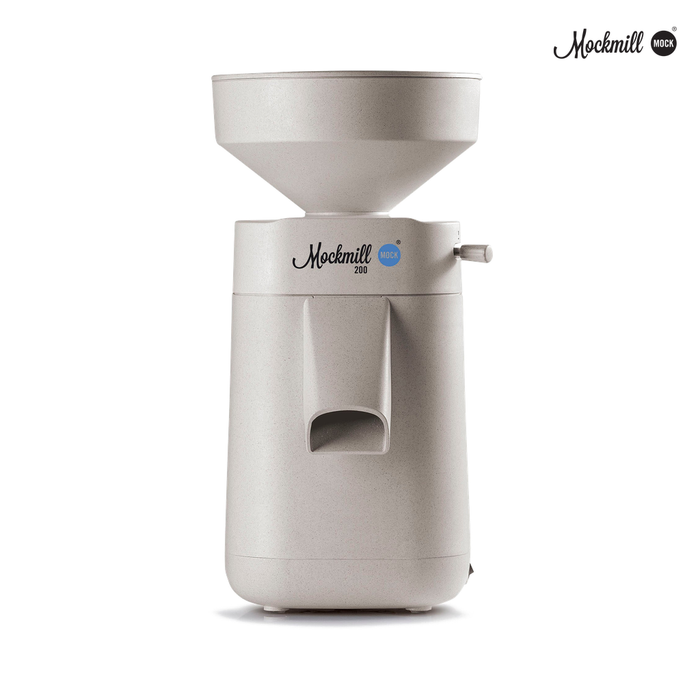
Mockmill 200 Stone Grain Mill
Grain mill RM2,399 MYRGermany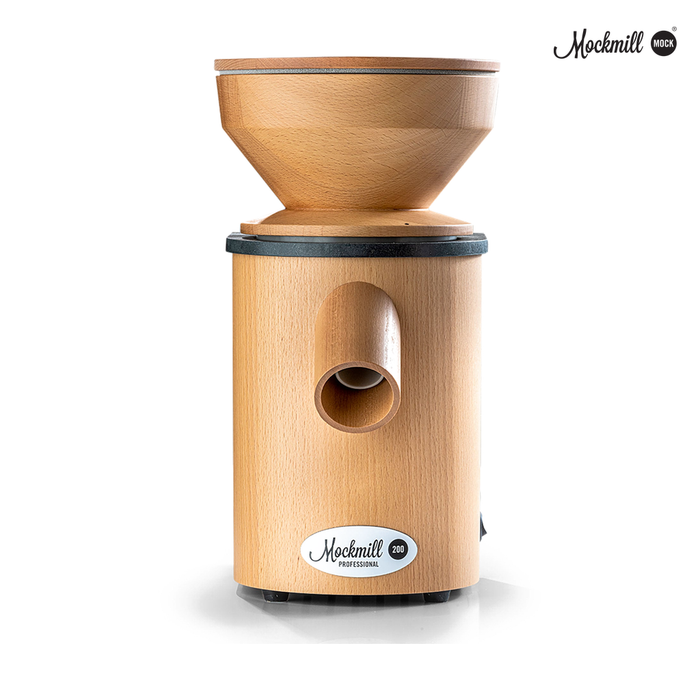

Famag IM5-S High Hydration Spiral Dough Mixer
Spiral mixer RM8,688 MYRItaly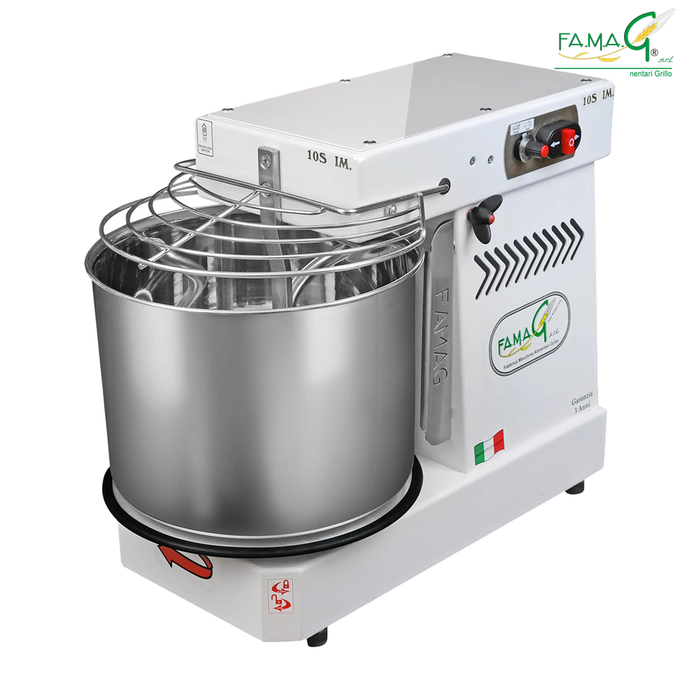


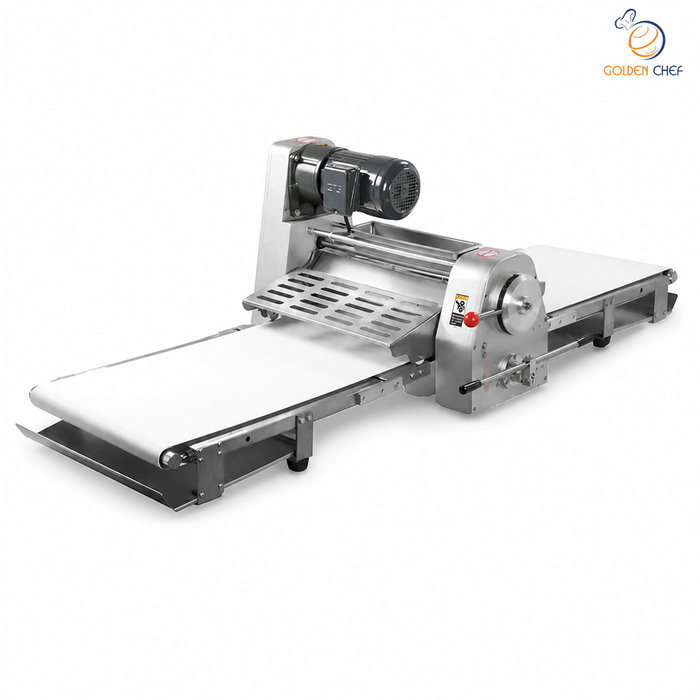
Kneader Dough Sheeter RS201
Dough sheeter RM3,799 MYRJapan
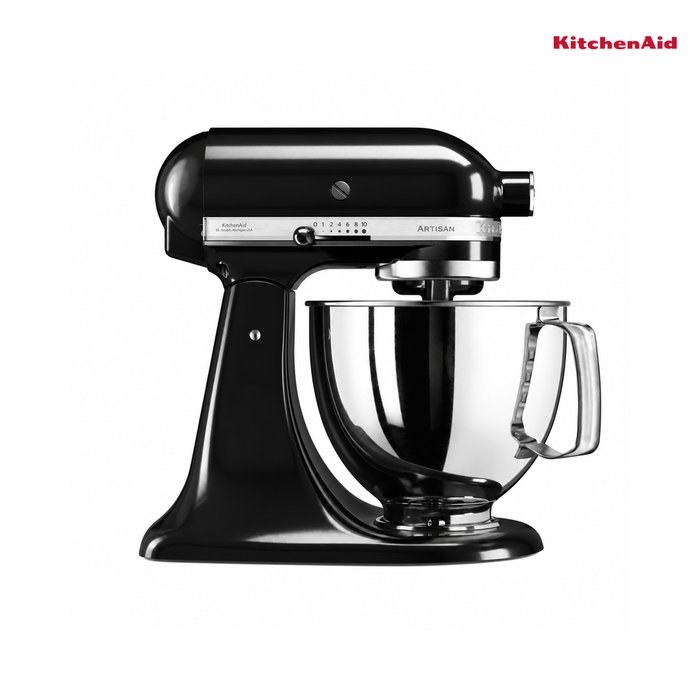
KitchenAid Artisan Tilt-Head Stand Mixer 5KSM125 (4.8L)
Planetary mixer RM3,399 MYRUSA
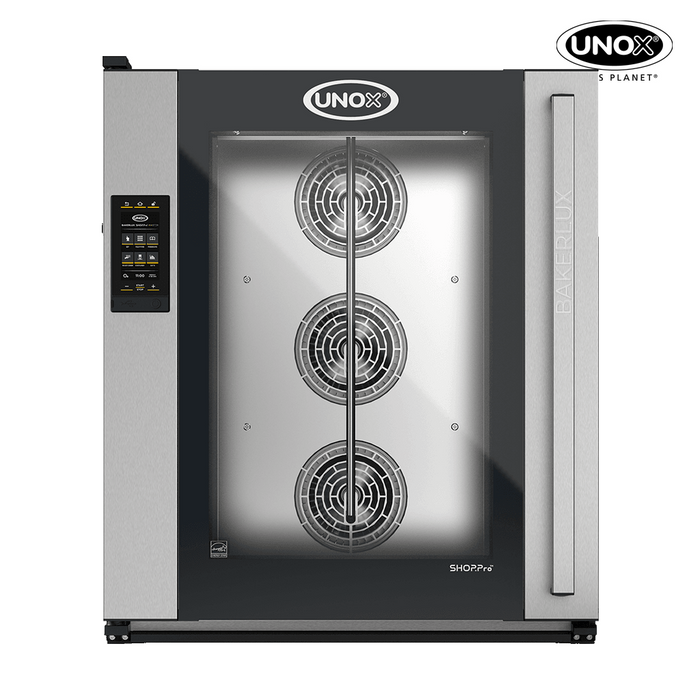
UNOX BAKERLUX SHOP.Pro™ MASTER XEFR-10EU-EMRV Convection Oven with Humidity — 10 Trays 600x400, Electric
Oven RM35,020 MYRItaly
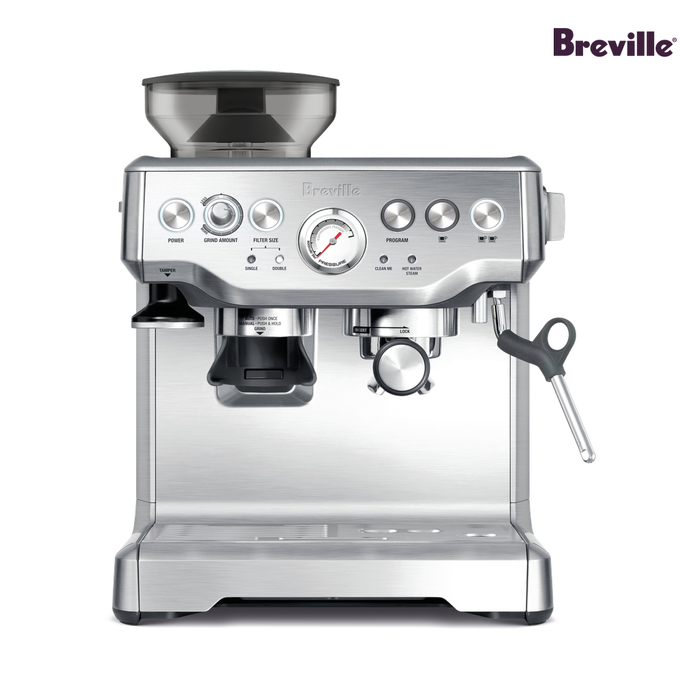
Breville Barista Express Espresso Machine BES870
Espresso machine RM3,829 MYRAustralia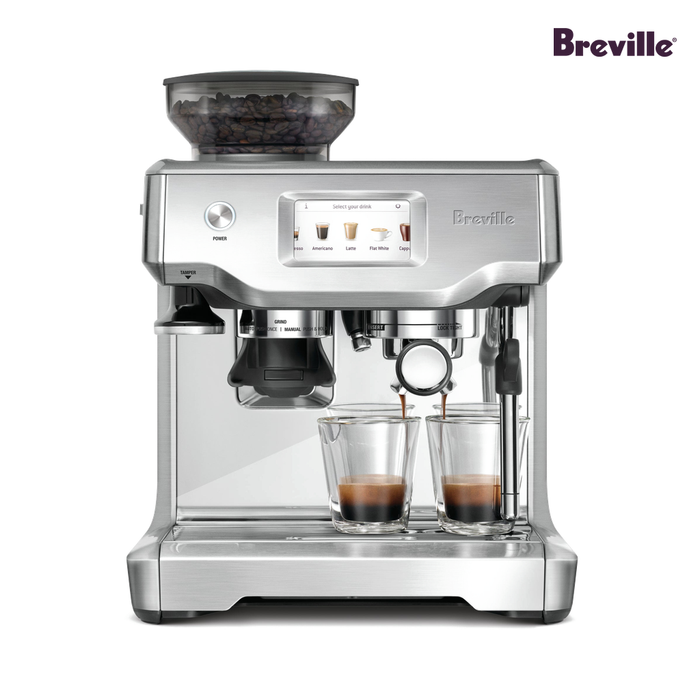
Not just
the machine.
Original products
Direct from the manufacturer, never parallel imports. SourcingWarranty covered
Full manufacturer term, stated on every product page. WarrantyFree consultation
Send us your output. We spec the line at no charge. AdviceAfter-sale support
Any issue with your machine, we are ready to assist. AftercareShips nationwide
All Malaysia as standard, regional quoted on request. DeliveryTrade pricing
Package rates for full lines, phased to your build. Full linesBought here. Still rolling.
Every review below was left by the customer whose name is on it, on the day shown. Their words, not ours.
Bought here. Still rolling.
Every review below was left by the customer whose name is on it, on the day shown. Their words, not ours.
Checked on our Shopee and Lazada storefronts, 29 August 2026.

Sudah sampai, terima kasih semua

Excited sangat lupa ambil gambar. Anyway... My italian helper will do me good.. nampak je kecik but it can hold up to 10kgs of dough ok (high hydration ye). Low hydration dont go too much.. . Dlm 8kg is the sweet spot.

The seller sent the items within a few hours of order placed. Excellent service. Love the item. I used it right away. So easy to use and very sturdy too.

Produk dipack dengan sangat secure, berfungsi dengan baik, sangat sesuai untuk nak buat roti yang hanya dalam 3kg ke bawah, hasil roti juga cantik guna mixer ni, seller juga friendly, nice seller 👍🏻

Thank you seller for your help. Requested to rush out shipment, they shipped out immediately. Just received, not yet test bake but already loving it.

Very fast delivery. Honest and very reliable seller. Look at your items packed neatly with no damage. Thank you for the good service. Very happy tq so much..

Love the fact that it's detachable so I can wash the roller, save me so much time and energy in rolling croissant dough and cookie dough.

烤饼干的火候真的很均匀,饼干妹妹的😍

Berfungsi dengan baik. Barang dibungkus dengan kemas dan tiada kerosakan. Terbaik seller

Penghantaran Sgt cepat.. Beli 1hb.. 2hb dah sampai.. Terima kasih.. Reply chat Sgt bagus

Alhamdulillah, mixer smpai dlm keadaan baik dan tiada kerosakan. Muat just nice atas kitchen counter. Tq seller 👌🏻

Fast shipping. Works as expected. Really love this sheeter. Easy to do your own croissant at home. The packaging is also very secure. Thanks seller.

Saya dah guna .. alhamdulillah sangat membantu 😍 tak perlu guna tangan dah ..

Arrived safely eventho there was a tiny hole on the box. Function like how I want it to be ❤️ Seller is very helpful. thank you for the good service. Thankful for the sourdough

Thank you for this amazing machine i finally successfully made a croissant✨ worth it guys, my room is not air conditioned but with this roller i can work quickly 👍 very recommended. Easy to assemble.

Delivered and installed by seller technician with instructions and demo on how to use. Good services provided

Very compact manual dough sheeter! Feeling like Transformer

Handles dough very well. seller has great customer service, can't recommend enough.

Product functions very well. 5 star for customer service right from the negotiation, purchasing and delivery.!!! I recommend this seller. Product is of very good quality and sturdy looking. Will be exploring my baking ideas with this for sure!

The delivery is very fast. Good box packing. The delivery is handling with care. Oven is in good condition. It works perfectly, can bake all kind of bread, bakery and food. Great, strong recommend this oven.

Very good service from the seller and fast delivery. This oven is so good. Definitely worth the value
Get a spec
and a price.
Tell us what you bake and we’ll sketch the machines you need. A real person replies within one working day with sizes and a price.
The questions that
actually decide it.
Our showroom in Ara Damansara, Selangor has recently closed as part of a business restructuring, and our warehouse is now based in Kamunting, Perak. We are working with partners to open showroom and product display spaces in the Klang Valley and other states soon — please stay tuned for updates.
Get updates on WhatsAppWe provide both, depending on the machine. Equipment that requires electrical wiring or a gas connection is delivered and commissioned by our team, including an electrical check, a first test run and a handover to your operators. Plug-in benchtop equipment, grain mills and spare parts are sent by courier. We will confirm which applies in your quotation, so everything is clear before you place your order.
Ask about installationYes, self-collection is available, depending on where the item is stored. Please contact us before placing your order and we will confirm the collection point and arrange a convenient time for you.
Arrange self-collectionLead times depend on whether the machine is in stock in Malaysia or needs to be shipped from the manufacturer in Italy, Japan or Germany. Let us know the model you are interested in and we will give you a confirmed delivery date rather than an estimate.
Check a model’s lead timeWarranty terms vary by brand — for example, six years on Mockmill motors, three years on Famag motors, two years on Sunmix motors and one year on Kneader dough sheeters. The exact warranty period is stated on each product page.
Browse equipmentYes. We keep some parts in stock ourselves, and others are held by the brand’s authorised distributor in Malaysia — including belts, seals, bowls, heating elements, control boards and chains for the brands we carry. Simply tell us your machine model and the part you need, and we will confirm its availability and delivery time.
Request a spare partNo. Every machine we supply is built for Malaysian mains power (240 V, 50 Hz) and comes with a local plug, so there is no need for a step-down transformer or converter. Larger three-phase ovens are hard-wired by our technicians during commissioning rather than plugged in.
Browse equipmentCertainly. Share your floor plan and target daily output, and we will prepare a package quotation, schedule deliveries in phases to suit your fit-out, and apply trade pricing for multi-unit orders.
Plan my lineTrusted in kitchens
across Malaysia.
 Ah Ma Delights / AMTCK
 Amore Bakery
 Ăn Viet
 Angelicioxs Studio
 Anooh Coffee
 AyoMayo
 BINGS Café
 Bray Bakery
 Burrow BSC
 Canning Dim Sum
 CC by Mel
 CC The Baker
 Chef Kecik Kitchen
 CookieDoh by Cookie People
 DKSH
DKSH Dolce Vita
 DÔME Café
 Dookki
 Dou Dou Bake
 Eclipse Café
 Emily Darling Café
 Être Patisserie
 Ferringhi Garden Restaurant
 Four Points by Sheraton
 General Store Café
 Isetan The Japan Store
 JMM Cookies / Joymom’s
 JOM Baketime
 JY Food Lab
 Kona Bakehouse
 Labu + labu
 Lao Mao Café
 Lilian’s Cake House
 Little Tea & Bakery
 Low Sugar Lab
 Lufa Coffee
 Mae Dough
 Mémorie Café
 Milolo
 Nasken Coffee
 Ning's Cake
 Nippori
 OROMEO
 Oversea Restaurant
 Pagi Place
 Palette
 Passage Thru India
 Petiteserie / Petiteserie Bakes
 Pulse Lounge
 Reserved.KL
 Ribbon Bunny
 ROUND Pizza Napoletana
 Second Rise Artisan Bakery
 Sydney Cake House / SCH / Mak’cik
 Tangkak Kopitiam
 The Baking Trip
 The Cake Hunter
 The Favor Bakers
 The Upper Kitchen
 Titi Eco Farm
 Tweak The Recipes
 Yi Poh 姨婆老鼠粉
 Yooky Bites
 Yumido Pastry House
 Zenzero Restaurant & Wine Bar
 ZUS Coffee
Good machines deserve
a second bake.
The SHOPYTHON Marketplace is where bakers buy and sell pre-loved equipment. Upgrading? Pass on the mixer, oven or sheeter you have outgrown. Just starting out? Pick up proven machines from bakers near you, for less.
Latest listings
View all →![[Display 90%] Eka Convection Oven EKF423NTUD + Condensation Hood + Table](http://www.shopython.com.my/cdn/shop/files/WhatsApp_Image_2026-09-30_at_21.47.05.jpg?v=1790776666&width=600)
![[Demo 70%] Cake Decorating Machine 18"](http://www.shopython.com.my/cdn/shop/files/468776408_10162010713143430_7736890005789563384_n_-_Copy.jpg?v=1790776977&width=600)
![[Display 80%] Golden Chef 8-Liter Table Top Mixer BH8D](http://www.shopython.com.my/cdn/shop/files/IMG_0513.jpg?v=1790758330&width=600)